

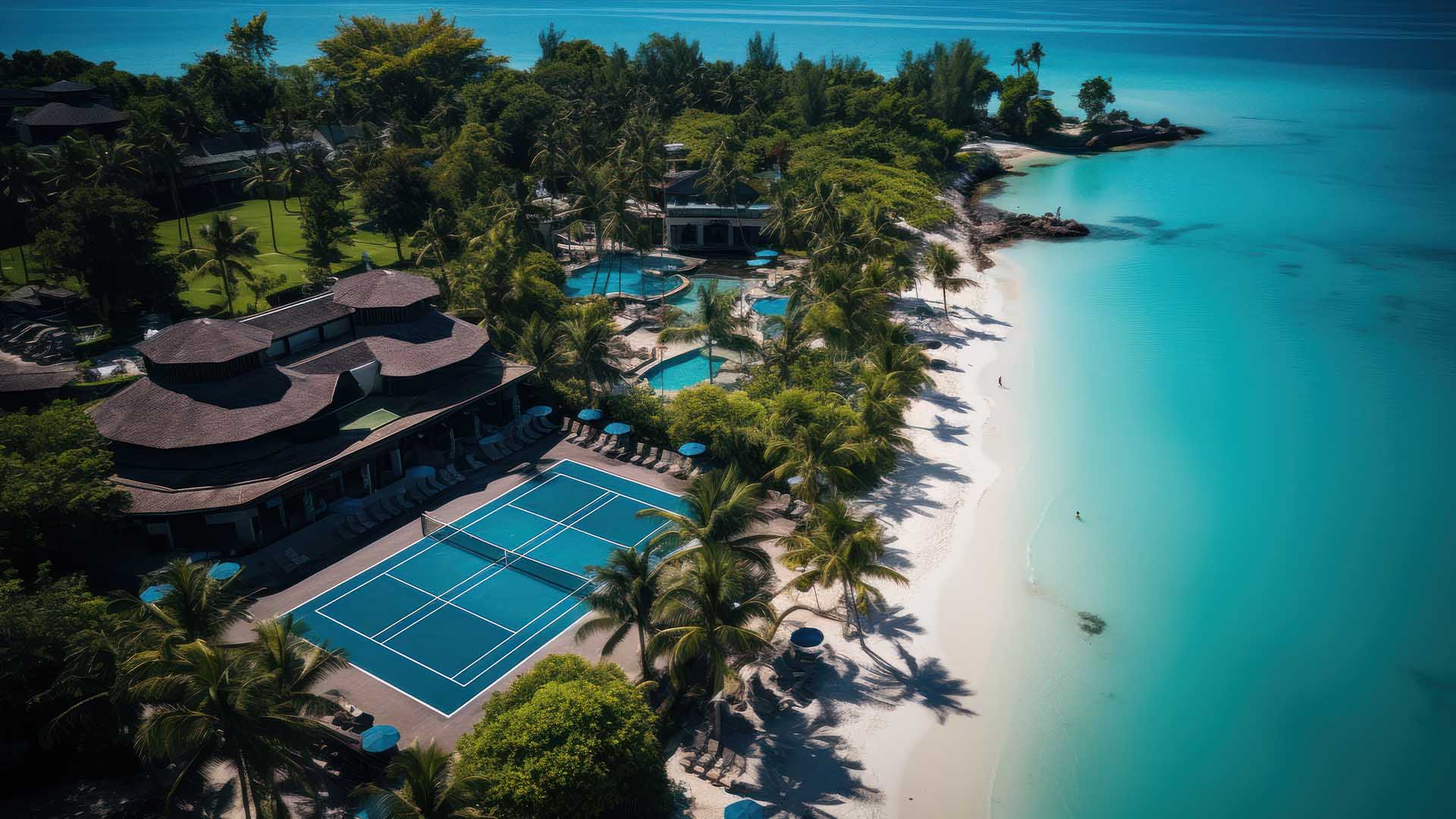

Lakshadweep is not a destination that forgives poor timing. The reef is uncompromising, the weather consequential, and the difference between a sublime week and a frustrating one can be as little as a fortnight in either direction. After fourteen years on the island, this is what we know.
Understanding the two seasons
Lakshadweep operates on a binary weather calendar. The dry season — locally called the northeast monsoon period — runs from October to May and is when the islands are at their most hospitable. The southwest monsoon arrives with conviction in June and doesn't fully relent until September. There is almost no ambiguity between the two.
During the dry season, the sea is calm enough to reveal its floor. Visibility in the water regularly exceeds 30 metres. Winds are gentle, coming predominantly from the northeast, and rain is rare enough that a wet afternoon feels like a minor event. During the monsoon, all of that inverts: swells can reach three metres, visibility drops sharply, and most of the resort's water-based activities become unavailable.
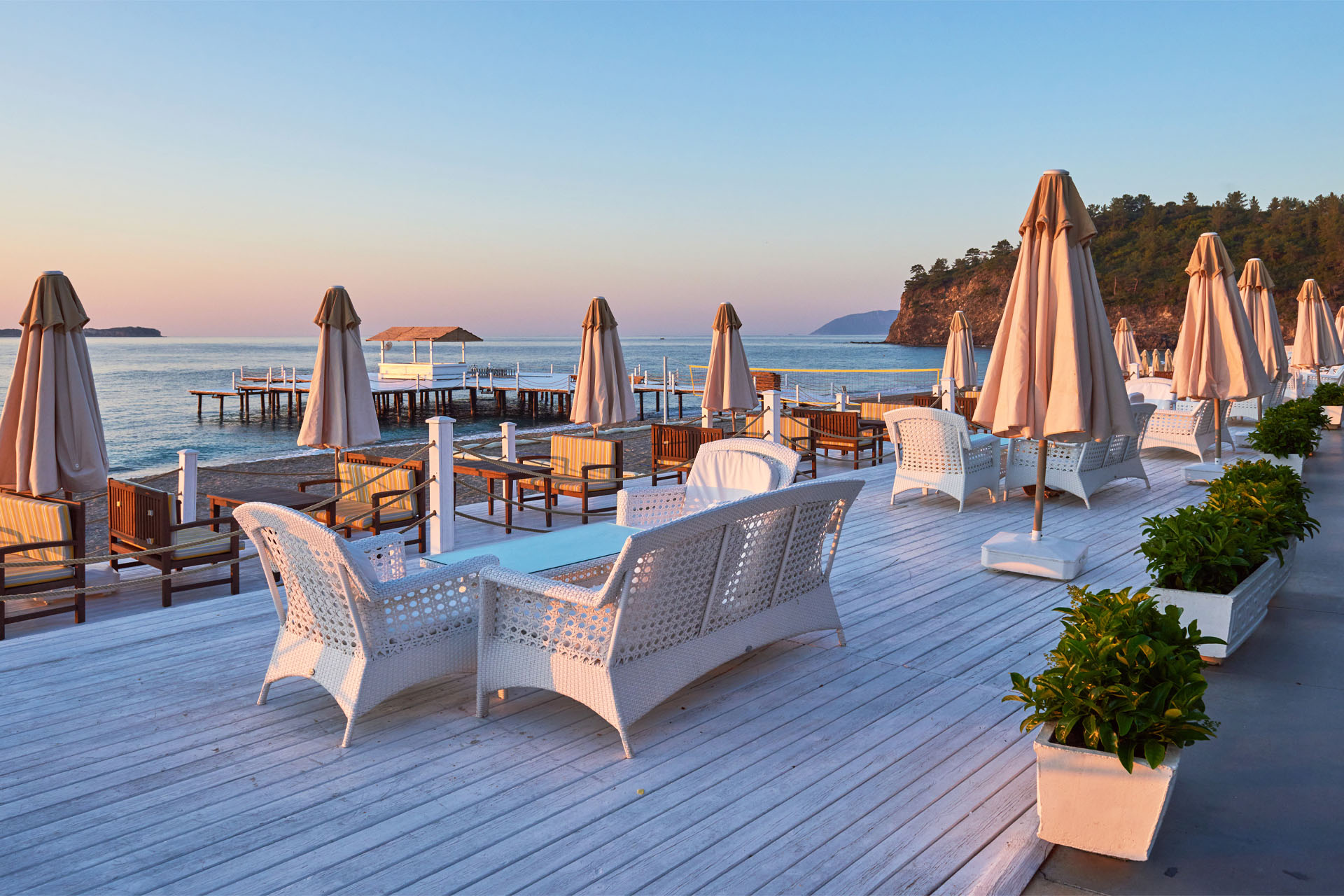
Visibility in the lagoon regularly exceeds 30 metres during peak season — Bangaram Atoll, January 2026
Peak season: December to March
If you can choose your dates freely, choose these. December through March represents the gold standard of Lakshadweep weather. The northeast wind keeps temperatures in the low-to-mid thirties, the sea is at its flattest, and the reef — recovering from the annual monsoon flush — is at peak visibility.
It is also, predictably, the most expensive and competitive period. Rooms at Marinox book out four to six months in advance for the Christmas-New Year window, and February half-term disappears almost as quickly.
Peak Season At a Glance
- Best months: December, January, February, March
- Temperature: 28–34°C daytime, 24–26°C nights
- Sea visibility: 25–35 metres — excellent for diving and snorkelling
- Marine highlights: Manta rays (Jan–Feb), eagle rays, reef sharks
- Pricing: Peak rates — book at least 3 months ahead
The shoulder months: October–November & April–May
These are the months that reward the knowledgeable traveller. October and November sit just after the monsoon's retreat — the reef has been freshened by the rains, fish populations are dense, and prices drop by 20–30% compared to peak. The sea is still calm. April and May bring rising temperatures (up to 37°C) but the water remains clear and availability is considerably easier to come by.
"November is my favourite month to be on the island. The reef is at its most alive, the light is extraordinary, and there are far fewer people asking questions."
— Chef Amara Solis, Marinox Culinary DirectorPlanning around specific activities
Rather than thinking in broad seasons, consider what you're actually here to do. Different activities peak at different times, sometimes within weeks of each other.
-
Diving the outer wall — best January to March, when northeast winds create downcurrents that bring pelagic species up to the reef edge. Hammerhead sightings are most frequent in February.
-
Whale shark encounters — these are notoriously difficult to predict, but our marine team reports the highest frequency of sightings between November and February, typically in channels between the atolls.
-
Sea turtle nesting — green and hawksbill turtles nest on Bangaram between April and August. If you want to see hatchlings, aim for the June window — though the trade-off is early monsoon weather.
-
Photography — November and March offer the most dramatic light. November's low-angle sun creates extraordinary colour in the shallows; March sunsets are reliably cinematic.
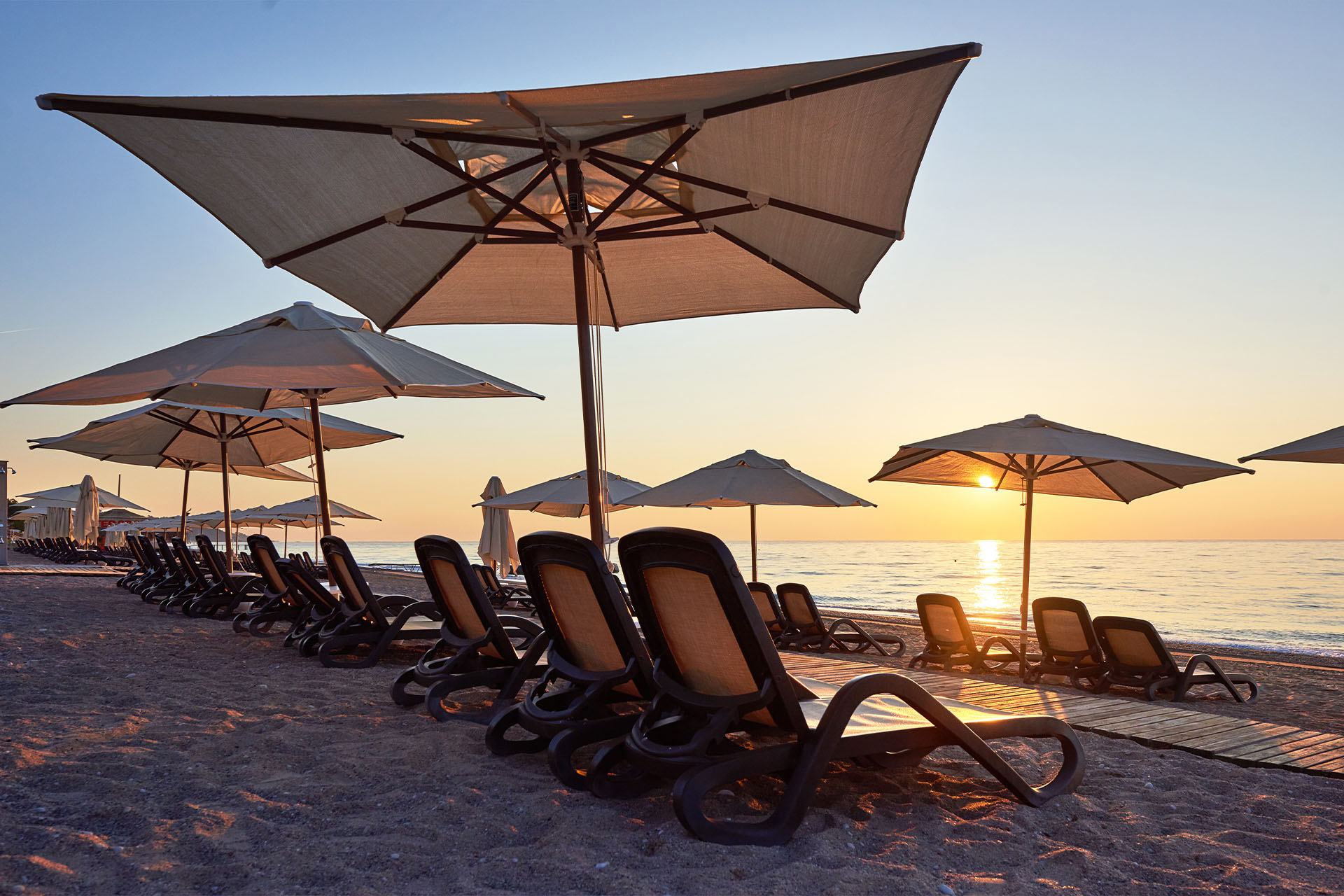
Morning light over the lagoon — this quality of light is characteristic of November and March
What to avoid — and when
The monsoon months of June through September are not simply inconvenient; they are genuinely incompatible with the kind of visit most people are imagining. Marinox operates on a reduced programme during this period, with all overwater activities suspended and most of the outer reef inaccessible. We are transparent about this with every enquiry.
Note on May: While May technically falls within the dry season, it sits on the monsoon's doorstep. Weather can shift quickly, particularly in the second half of the month. If May is your only option, aim for the first two weeks and build flexibility into your return travel.
How far ahead should you book?
For December 20 to January 5, we recommend booking six months in advance. This is not an exaggeration — this window sells out consistently, and waiting lists are rarely satisfied. For the rest of peak season (January–March), three to four months gives you a comfortable selection of room categories. For shoulder months, six to eight weeks is typically sufficient, though specific room types — particularly the Presidential Suite and the Overwater Suites — move faster.
If you're hoping for a particular experience — a private dinner on a sandbank at full moon, or the manta ray dive programme — contact our concierge at the same time you make your room reservation. These cannot be guaranteed any other way.




Comments (14)
We visited in February last year and the manta sightings were extraordinary — three in a single dive session. This guide is exactly right about that window. Highly recommend booking well ahead for January–February.
Three in one session — that's a remarkable morning. February is consistently strong for mantas, but it does depend on the channel conditions. Glad the timing worked out perfectly for you!
We went in late October and I can confirm — it was spectacular and 20% cheaper than the quotes we got for December. The tip about shoulder season is genuinely useful advice.
Is the May caution also true for the first week? We have a long-booked trip starting May 2nd and I'm now slightly nervous reading this.
May 2nd is historically very safe — the early caution really applies to the second half of the month. You should have excellent conditions. Do email our team and they'll share the current season forecast closer to your dates.
Leave a Comment
Your email address will not be published.